Transitioning from Pixels to Line Drawings: The Craft of Transforming Photos into Line Art


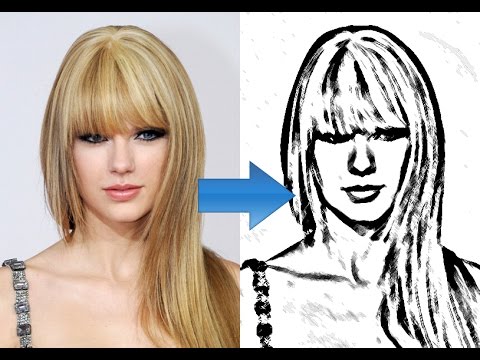
In a time when digital visuals prevail over our visual experiences, the urge to simplify complex photographs into simpler forms is increasingly popular. Converting turn photo Into line drawing into a line drawing grabs the essence of the image while removing excessive features. This art form not only displays the expertise of the artist but also presents a unique way to appreciate the original subject. Be it for aesthetic purposes, design, or self-expression, creating a line drawing from a photograph provides both a challenge and a fulfilling outcome.
The process of transforming a photo into a line drawing can be tackled in multiple methods, from manual techniques to advanced digital tools. Creatives and enthusiasts alike can delve into this captivating conversion, allowing their creativity to blossom. With the right tools and a sharp vision, anyone can master the art of photo-to-line drawing conversion, uncovering a fresh viewpoint on familiar images and inviting viewers to engage with them in a new way.
Comprehending the Fundamentals of Line Drawing
Line drawing is a type of artistic depiction that highlights shapes and boundaries rather than hues or shading. It simplifies objects into their essential forms, capturing their nature with limited detail. In this way, line drawings can express feeling and depth effectively, depending heavily on the use of lines to create depth and structure within the artwork. This method allows artists to focus on the fundamental characteristics of their objects, making it a strong tool for communication.
Transforming a photo into a drawing with lines commences with comprehending the main features present in the photograph. The key aspects include figures, lines, and differentiations, which together form the foundation of the drawing. By identifying these factors, illustrators can determine how to translate them into a line format, removing unnecessary details. The resulting line drawing often reflects the mood and concept of the initial picture in a more artistic yet powerful manner.
The method of line drawing can be executed in various ways, be it through traditional hand-drawing techniques or computer-based tools. Each approach brings its own advantages, allowing for creative freedom. While manual drawing offers a individual touch and unique style, digital tools provides precision and convenience in modification. Regardless of the medium chosen, effectively turning a photo into a drawing with lines requires experience and an awareness of how to manipulate strokes to illustrate the theme accurately.
Techniques for Changing: Software and Programs
When it comes to turning a picture into a line drawing, a range of options can be found to assist get the expected effect. PS is a standout as a preferred solution for a lot of designers and artists. Its powerful functionality facilitates users to alter images through adjustments and manipulations, making it straightforward to simplify complex graphics into clean lines. With techniques like threshold adjustments and blending options, Photoshop can convert images into striking line drawings.
An additional great option is CorelDRAW, which features specialized vector design capabilities. Users can import their photos and use the Trace tool to change them into vector art seamlessly. This program is particularly popular among experienced illustrators and graphic designers due to its precision and versatility, allowing for broad tweaking of the line styles and fluidity. CorelDRAW makes it simple to refine the resulting line drawing to fit the artist's idea.
If you are seeking costless solutions, GIMP is an superb choice. This open-source program provides a set of features similar to those present in Photoshop, allowing creators to create illustrations from their pictures free of charge. With various plug-ins tailored for line art conversion, GIMP offers countless creative avenues. Additionally, online tools like Photo-pea offer web-based solutions that require no installation, making it user-friendly for fast modifications and experimentation with converting photos into contour art.
Tips for Enhancing Line Drawings
To really elevate your line drawings, think about experimenting with different line thicknesses. Heavy lines can add strength and shape contours, while thinner lines can offer delicate details and subtleties. This variation can generate depth and complexity in your artwork, guiding the viewer's eye through the composition. Play around with the force you apply when drawing or change settings in your drawing software to obtain this variation well.
Including texture can also elevate your line drawings greatly. Incorporate hatching techniques to suggest shadows and depth. These textural elements can give your drawings a unique character and assist in portraying form and light dynamics. When applied thoughtfully, they can change a simple outline into an captivating visual experience that embodies the essence of the original photo.
In conclusion, consider the use of color in moderation to enhance your line drawings. While traditional line art often utilizes black and white, a hint of color can energize your work. Utilize color purposefully to highlight specific areas or establish focal points, enhancing the overall impact without overwhelming the line work. A soft color palette can harmonize with the lines, providing a contemporary twist to your artistic interpretation.